

The Municipality of Cumberland is one of nine communities across Nova Scotia who are the latest participants in the Community Climate Capacity Program.
Joining Cumberland in the program are the towns of Antigonish, Lockeport, Lunenburg, New Glasgow and Port Hawkesbury; the Municipality of Richmond; and the regions of Queens and West Hants.
Through the Community Climate Capacity Program, the Municipality of Cumberland will align its municipal planning strategy with coastal protection and climate priorities; develop and distribute public engagement materials on coastal hazards, such as flood risk, and develop flood policy.
“We are very pleased to be part of this program and the services provided to better define our coastal protection policies in the plan review we have underway,” the municipality’s director of development and planning Glen Boone said. “Having someone who is focused on that issue can help support that process.”
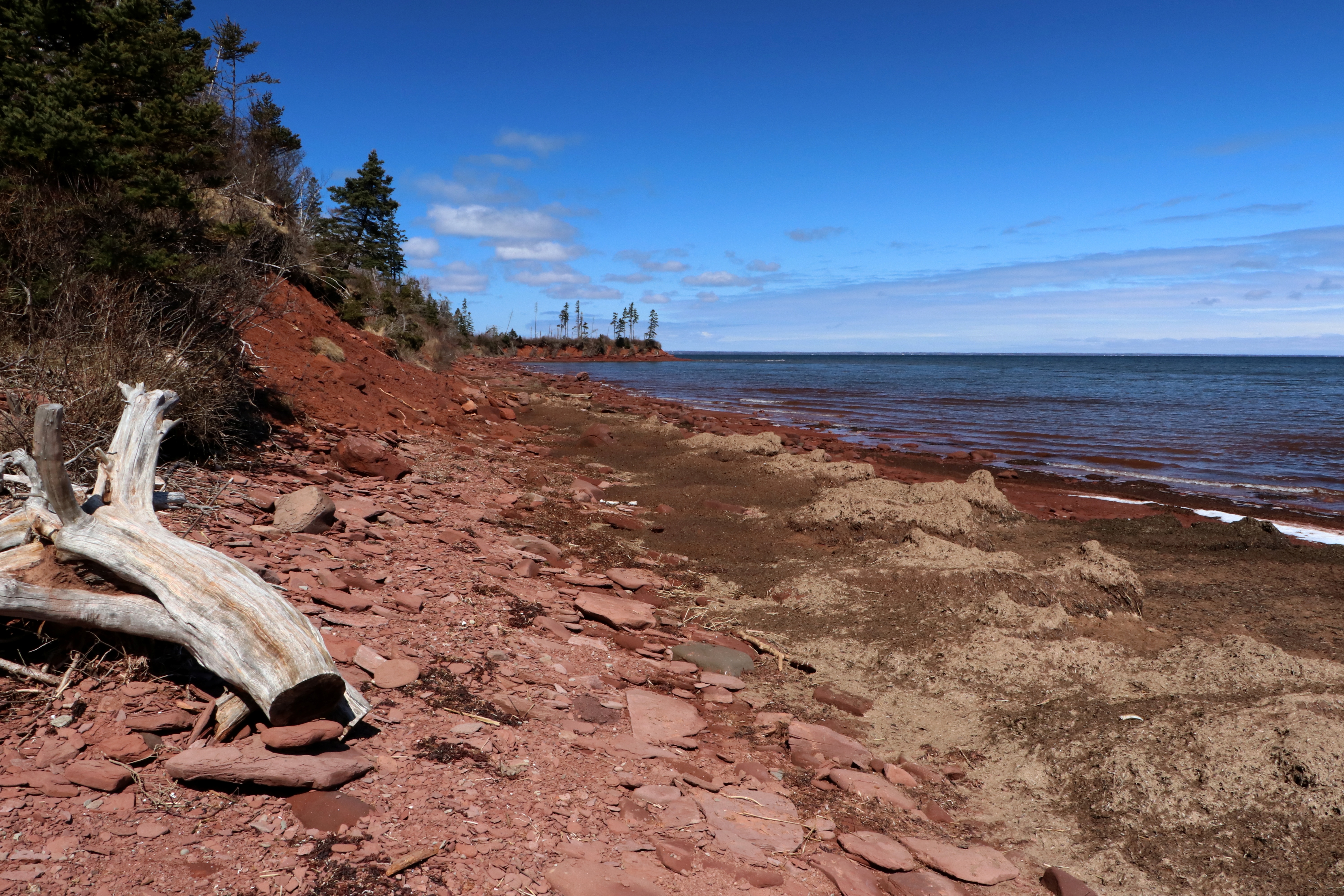
Boone said Cumberland County is unique geographically in that it has three coastlines – the Northumberland Strait, the Bay of Fundy and the Chignecto Bay.
“They’re all unique and distinct in their own way,” he said.
Environment and Climate Change Minister Timothy Halman made the announcement Oct. 21 at the Community Climate Capacity Summit in Truro. The event brought together community representatives from across Nova Scotia to collaborate on best practices, learn from each other’s experiences and gain insight into climate and sustainability initiatives at the local level.
“Our government is investing to protect communities from the impacts of climate change,” the minister said. “From flood planning to costal protections to exploring clean energy, we are supporting those who know their communities best to take action in ways that make the most sense for their communities.”
To date, the government has invested $7.3 million in the Community Climate Capacity Program to support local action in response to climate change.
“Over the past year, we’ve worked alongside Nova Scotian communities to identify and support their climate goals, and we’re seeing first-hand what coastal communities need. By expanding the program, our team can offer more support where the risks of coastal hazards are greatest, helping communities build resilience through local climate solutions and securing them additional support for priority projects,” Scott Skinner, president and CEO of the Clean Foundation.
Clean Foundation’s Community Climate Capacity Program is funded by the Nova Scotia Department of Environment and Climate Change. It provides communities with a dedicated staff of specialists who can help guide them through climate and sustainability initiatives at the local level.
Whether it is the increasing frequency and severity of extreme weather,
flooding or prolonged heat waves, climate change is increasingly affecting Nova Scotia’s communities.
After launching in May 2023, the program team shared detailed information about the program with communities and organizations across the province, gathering feedback on climate change and sustainability challenges.